
National Oil Seeds Project (NOSP)
Project Overview
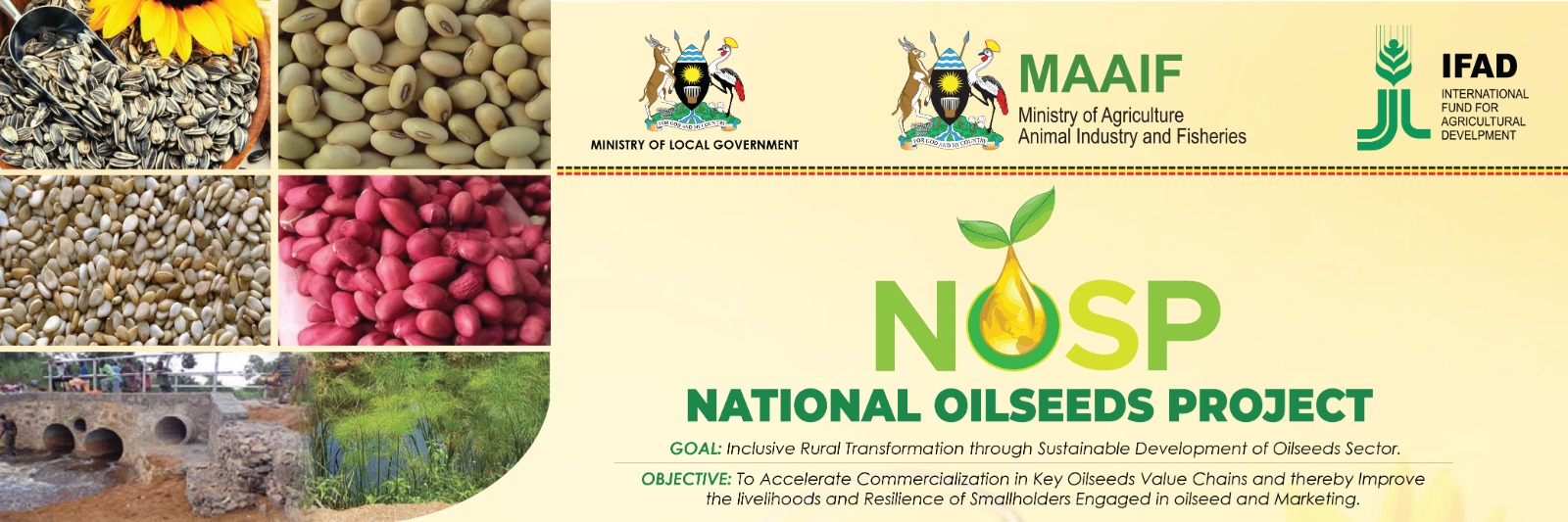
The government of Uganda through the Ministry of Agriculture, Animal Industry and Fisheries, and the Ministry of Local Government is implementing a 7-year (2021-2027) National Oilseeds Project (NOSP). The project is funded with a loan by the International Fund for Agriculture Development (IFAD) and the Opec Fund for International Development (OFID).
Goal and Development Objective
The project goal is “inclusive rural transformation through sustainable
development of the oilseeds sector”. The Programme Development Objective is “to accelerate commercialization in key oilseeds value chains and thereby improve the livelihoods and resilience of the smallholders engaged in oilseed production and marketing
Project rationale
NOSP scales up prior IFAD investments in the oilseeds sector through systematic and sustainable private sector-led approaches and investments. NOSP approaches and investments will commercialize the oilseeds sector by capacitating and empowering the smallholders to bring power parity to the sector. This will result in Uganda lowering the trade deficit through
- increased export of raw and processed oilseeds and the by-products; improving foreign exchange and, most importantly
- improving the wealth and welfare of smallholders in the northern regions of Uganda.
Project area
Hub Approach
NOSP is operating in Six area-based hubs across 81 districts - West Nile, where a hub is defined as an agroecological, social, demographic, and economic criterion. Four of these hubs are existing VODP2 hubs.
District Selection
Districts were selected based on the existing:
- concentration of smallholders growing oilseeds;
- conducive private sector-led pull factors;
- market-ready oilseeds groups to lead the clustering approach; and
- contiguous districts 81 districts have been identified.
Cluster Approach
The project is using an inclusive approach to cluster 120,000 smallholder households in the hubs. The clustering shall focus on areas of high production of the oilseeds in the hubs
Beneficiary Districts
| No. | Hub | Districts |
| 1 | WestNile (Arua) | Arua, Zombo, Nebi, Yumbe, Moyo, Koboko, and Maracha |
| 2 | Northern (Gulu) | Gulu, Amuru, Kitgum, Pader, Adjumani, Lamwo, Nwoya, Omoro, and Agago |
| 3 | Mid Northern (Lira) | Lira, Apac, Dokolo, Serere, Kaberamaido, Oyam, Amuria, Soroti, Amolatar, Alebtong, Otuke, Ngora, Katakwi, Kwania, Kapelebyong, Kalaki, and Kole |
| 4 | Eastern (Mbale) | Mbale Bukedea, Kumi, Manafwa, Pallisa, Sironko, Bulambuli, Namayingo, Bugiri, Tororo, Busia, Jinja, Iganga, Mayuge, Bugweri, Budaka, Buyende, Namutumba, Kaliro, and Kamul |
| 5 | MidWestern (Hoima) | Masindi, Kiryandongo, Hoima, Kikuuba, Kyenjonjo, Luwero, Nakaseke, Kyankwanzi and Nakasongola |
| 6 | Karamoja | Napak, Nakapiripiriti, Nabilatuk, Abim, Kaabong |
Target group
The key NOSP groups are 120,000 subsistence smallholder Households - women (60%), men, and youth (40%) - growing oilseeds. NOSP’s private sector-led approach, to ensure commercialization, will also target oilseeds sector stakeholders, including nucleus farmers.
Components
NOSP has two mutually interdependent components: (a) Component 1: Support to Oilseed Value Chain Development and (b) Component 2: Support to Market Linkage Infrastructure Serving Oilseed Sector.
Component 1: Support to Oilseed Value Chain Development.
The objective is to cluster 120,000 smallholder farmer households by accelerating the growth of competitive clusters and value chains for oilseeds and proactively developing opportunities for private sector investments in oilseeds and related by-products like animal feeds. This is achieved through two sub-components: (a) Sub-
Component 1.1: Cluster Development – through an inclusive cluster development approach in each of the hubs and;
Component 1.2: Support Production, Productivity, and Market Development – covering the supply of essential financial, technical and input services.
Component 2: Support to Market Linkage Infrastructure Serving Oilseed Sector
The objective of this component is to improve Local-level public transportation infrastructure to facilitate the commercialization of the oilseed sector.
Scaling up
The oilseeds subsector is critical in the agro-industrialization agenda of the GoU. 70% of the extract of oilseeds results in seed cake. It is expected that after NOSP, the oilseeds subsector will be self-supporting.
During NOSP, the GoU will commence the development of the animal cake, feed, and livestock sectors. The processes used within NOSP, of cluster development of the farmers, power parity building in stakeholder platforms, and private sector-led services and inputs, will, in subsequent GoU investments, be replicated in the livestock industry.
Other projects
- National Oil Palm Project Uganda
- NUFLIP PHASE 1
- The UMFSNP project
- Banana Livelihood Diversification project
- Uganda-China Cooperation
- The ACDP project
- The VODP2
- The ENRP project
- The ATAAS project
- The PISD project
- The RPLRP project
- The MOBIP project
- The Goat Export Project
The Uganda Multi-sectoral Food Security and Nutrition Project (UMFSNP) is implemented, over a period of five years, by the Government of Uganda (GoU) through the Ministry of Agriculture, Animal Industry, and Fisheries (MAAIF) working in a multi-sectoral collaboration with the Ministry of Health (MoH) and the Ministry of Education, Science Technology and Sports (MoESTS)
This project helps to support vulnerable communities in Western Uganda to better adapt to the effects of climate change (CC) through banana value addition activities, to provide greater opportunities for income generation, poverty reduction and food security
The Government of the Republic of Uganda and the Government of the People’s Republic of China have had a cordial relationship for a long time. China has made significant contributions to Uganda’s Agricultural sector development including provision of project aid to Uganda in form of interest-free loans and grants. Notable ones include the Kibimba and Doho rice schemes, Wakawaka Fish landing site, Kajjansi Aquaculture Training Centre, Hydropower Stations and Road Construction. Trade has included leather, coffee, fish and food products among others.
The Ministry of Agriculture, Animal Industry and Fisheries (MAAIF), with support from the World Bank is implementing the Agriculture Cluster Development Project (ACDP). The project arose from the need to implement the Ministry’s comprehensive plan to operationalize the Agriculture Sector Development Strategy and Investment Plan 2011/12 – 2014/15 (now Agriculture Sector Strategic Plan 2015/16 – 2019/20) and in line with the Uganda National Development Plan.
Uganda imports 60-70% of its edible and soap needs; Population growth and rising incomes continue to fuel an annual growth rate of 9% in domestic and regional demand for vegetable oil and its by-products. VODP 2 is Uganda’s strategic effort and increase domestic vegetable oil production, address rural poverty by involving smallholder farmers in oil crops production and improve the health of the population through increased vegetable oil intake.
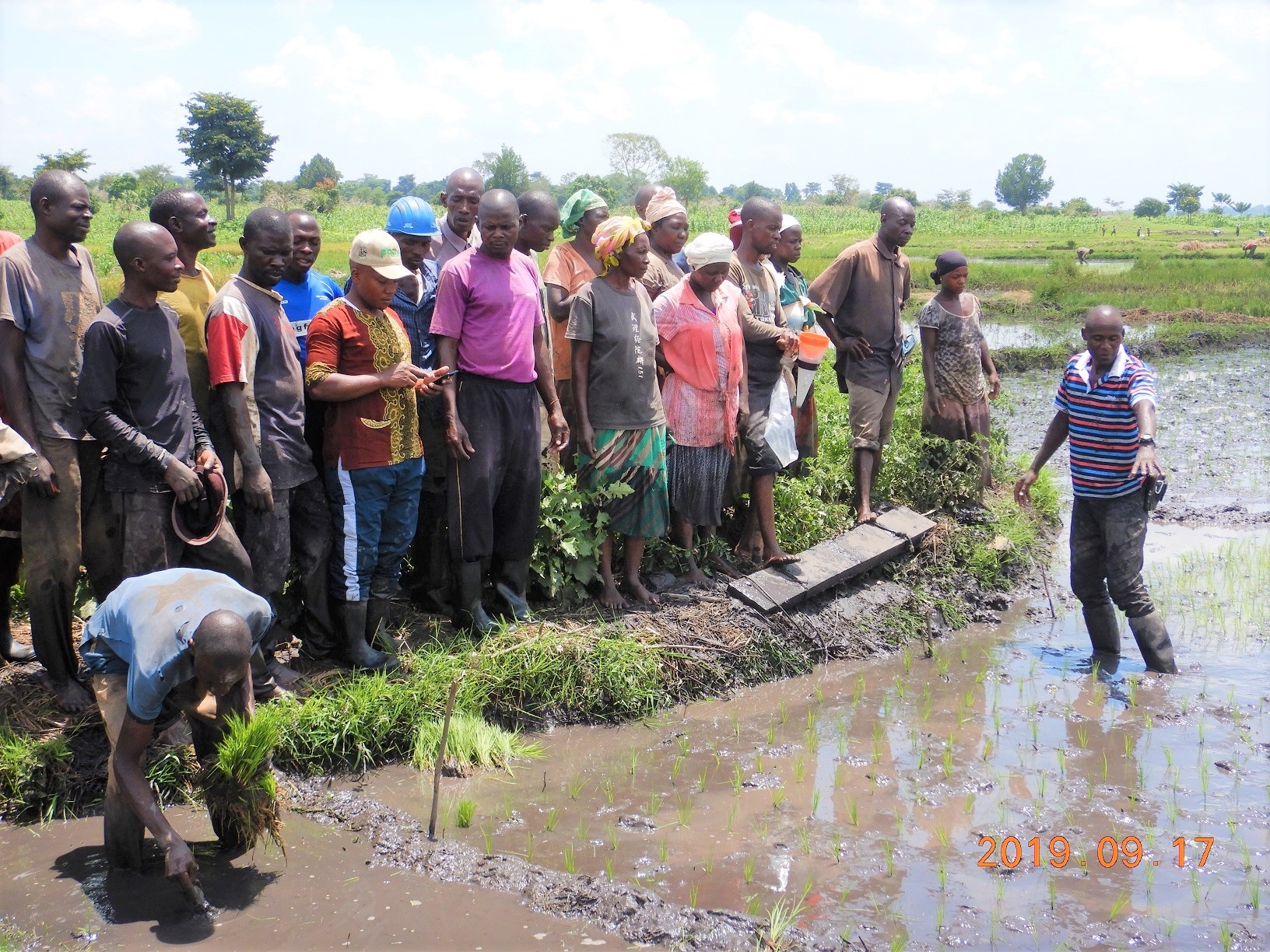
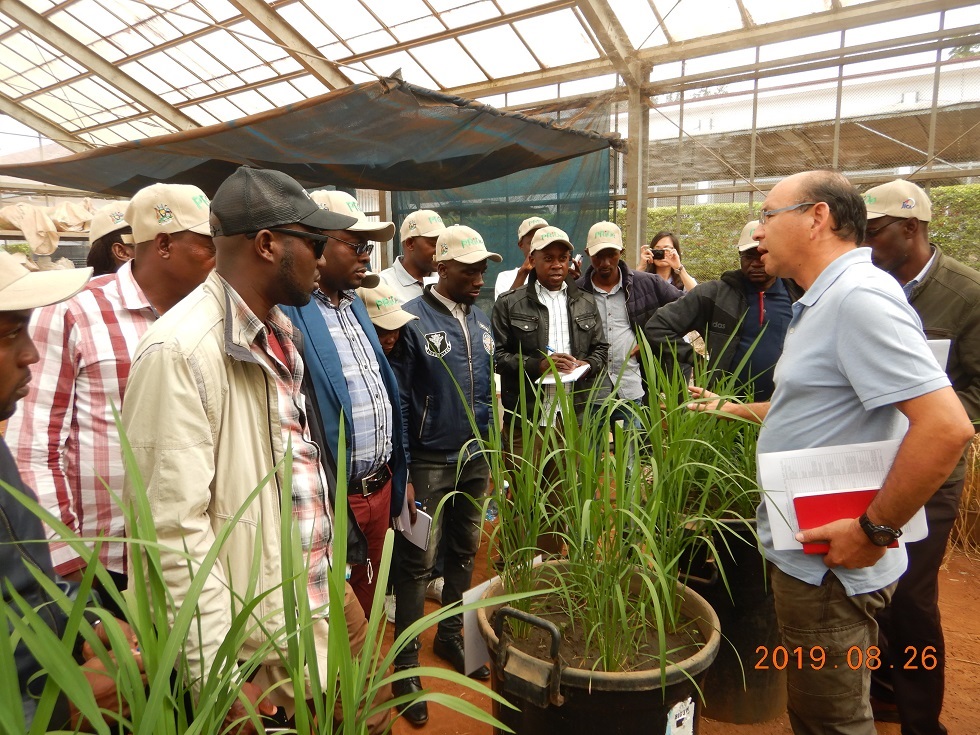
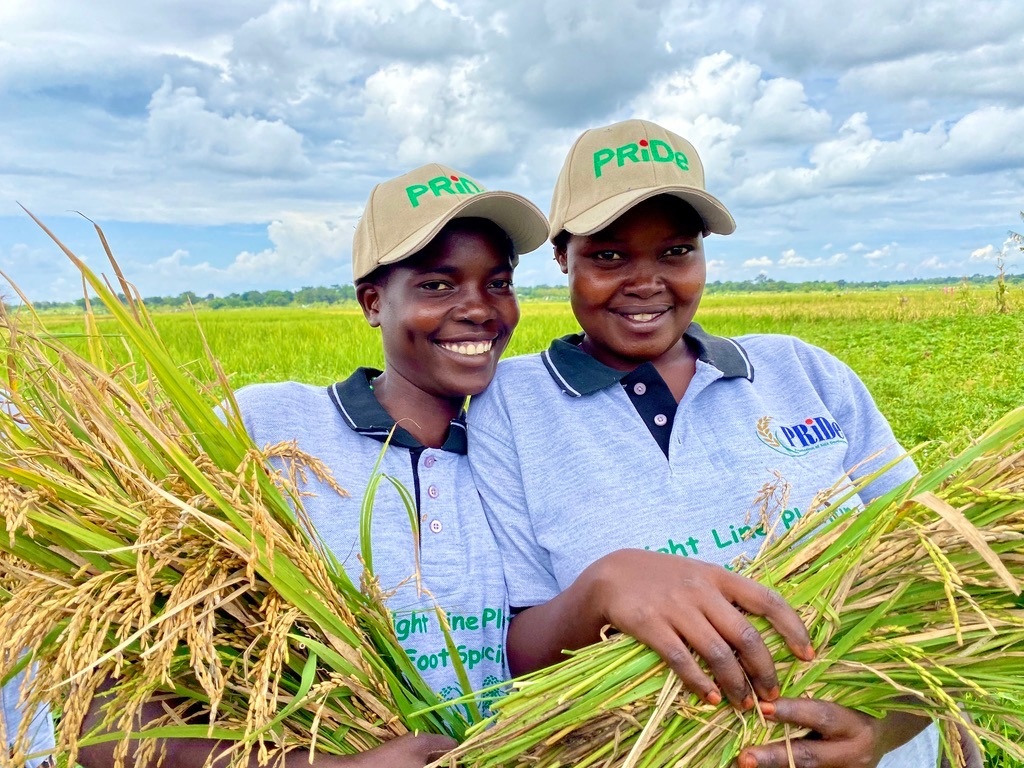
The project is expected to increase production and productivity, mainly of small holder rice farmers, by focusing on those factors that currently limit production which include;
In 2010, the ATAAS project was developed as an investment in maintaining and raising the level of farmer productivity and household income through the development and adoption of modern farming technologies, techniques and strengthening market linkages. The project had key activities along the research-extension-farmer-market value chain continuum under five components: (1) Developing Agricultural Technologies and Strengthening the National Agricultural Research System (NARS); (2) Enhancing Partnerships between Agricultural Research, Advisory Services and other Stakeholders; (3) Strengthening the National Agricultural Advisory Services (NAADS); (4) Supporting Agribusiness Services and Market Linkages; and (5) Program Management and Coordination.
The Ministry of Agriculture, Animal Industry, and Fisheries (MAAIF) and Japan International Cooperation Agency (JICA) agreed to execute a study for Irrigation Scheme Development referred to as The Project on Irrigation Scheme Development in Central and Eastern Uganda (PISD) through technical cooperation.
The focus was on establishment of medium and large scale irrigation scheme in Uganda targeting farmers cultivating mainly rice in lowland areas with season flooding and unreliable agricultural water source(s). The Study has was entrusted by JICA to the JICA Study Team consists of a consultant from Japan in collaboration with counterpart staffs from MAAIF and MWE. A total of 10 candidate sites districts were studied for irrigation development potential in the districts of Butambala, Buikwe, Kween, Sironko, Bukedea, Bulambuli, Mbale, Butaleja, Budaka and Soroti..
The Regional Pastoral Livelihoods Resilience Project (RPLRP) is a regional project financed by a USD 40 Million loan got by GOU from the World Bank and implemented by three IGAD member states: Uganda, Kenya and Ethiopia.
The RPLRP was prepared within the framework of the IGAD Drought Disaster Resilience and Sustainability Initiative (IDDRSI) and aligned with the Regional Programming Paper (RPP) and Country Programming Paper (CPPs).
Uganda Vision 20140 is a key strategy document for the government of Uganda (GOU) and aims to make Uganda a middle-income country by 2040. The National Development Plan II (NDP2) mentions the development of the livestock sector as one of these strategies, and in particular Uganda’s ability to produce some of the best beef in Africa.
Project Objectives
“To enhance the contribution of the goat industry to farmers’ income and welfare.”
Specific objectives
Avail improved indigenous and exotic (Savannah) goat germplasm to farmers in the project area which will serve as a springboard for establishing a pilot goat export zone in the country
To establish open nucleus breeding herds coupled with systematic cross breeding programme for generating meat goat types for fattening and
Improve the goat management systems and create sustainable supplies of quality goats for internal and export markets.