
Meat Export Support Services Project
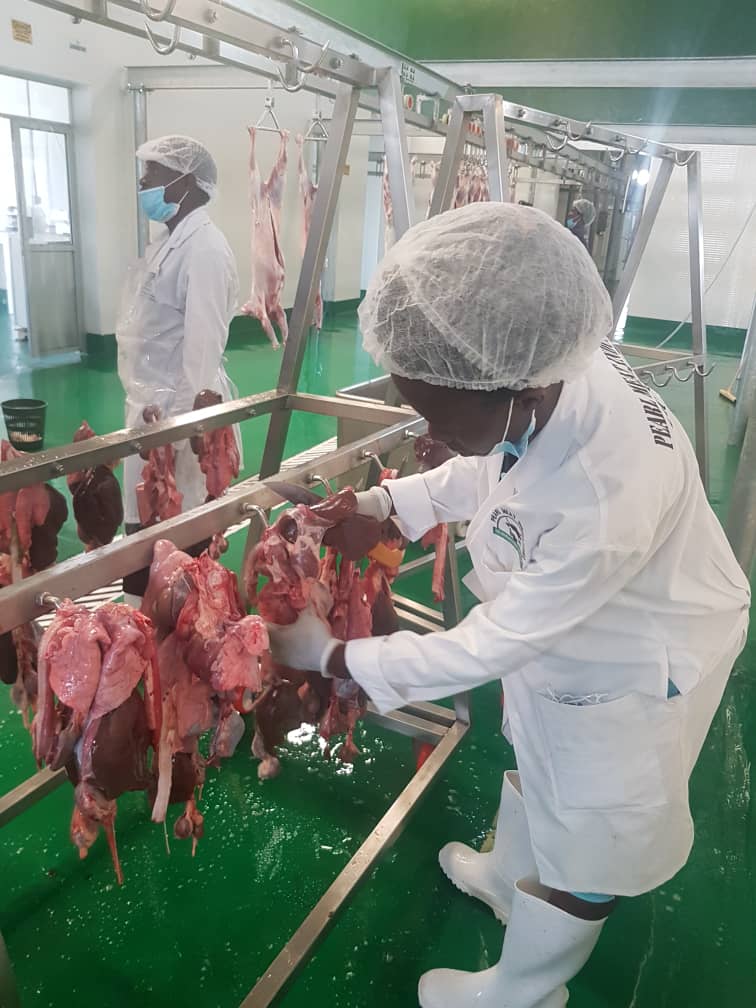
The Meat Export Support Services Support Project is a Project implemented by the Government of Uganda through the Ministry of Agriculture, Animal Industry and Fisheries Directorate of Animal Resources.
The most urgent and crucial interventions to be delivered through this project include:
Meat export grade Holding Grounds and Veterinary Quarantine Stations
A livestock identification and traceability system to guarantee trace back in cases of any food safety challenges
Institutional and Technical capacity at all levels of the meat value chain.
Project Purpose
To fast track sustainable supply of export grade livestock for slaughter to meet the meat sanitary requirements for the high value international market.
Main Project Objective
The Main Objective of the expanded Meat Export Support Services (MESS) project is to establish and maintain compliant National Veterinary Meat Export Support Services.
Specific Objectives
To construct, equip and operate veterinary holding grounds and quarantine stations
To provide start-up capital “a crop finance” to facilitate a pilot intervention for of purchase animals for quarantining and fattening for slaughter (having attained export grade certification); including establishment of related farm infrastructure;
To establish and operate a livestock identification and traceability system in support of meat exports;
To establish adequate meat export technical capacity in the meat export value chain.
Scope of the Project
The project is expected to run for three years and expected to benefit actors in the beef value chain which include six (6) government stock farms, about 1000 farmers organized in about 33 cooperative organizations with a total of about 100 ranches as well as meat and by-product processors. The project will expand to more beneficiaries over the long term.
The project will involve infrastructure development in the selected farms to build capacity to supply 250 ready to slaughter export grade cattle to the Egypt Uganda Food security Company Ltd (EUFS) at Bombo and over the medium-long term to include upcoming export grade abattoirs. Sensitizations, training and technical assistance as well as low interest rate loans “crop finance” will also be provided for the various stake holders in the beef value chain. This is also meant to contribute to the sustainable supply of slaughter livestock and value addition on the resultant products.
Technical Description
The project will provide infrastructure, crop finance and technical services on the already existing potential farms to create capacity to supply a steady number of livestock for slaughter to meet the demand of the abattoir near completion at Bombo and any other upcoming planned abattoirs in the country. The established infrastructure will be made available to the private sector to raise animals at a user fee.
Infrastructure
The project targets to construct livestock holding grounds, feed lots and quarantine stations with all necessary facilities on six (6) Government stock farms and also provide initial funding for purchase of livestock in order to achieve an overall threshold of 7500 animals or an average of 1250 animals per holding ground per month.
This will enable steady daily supply of a minimum of 250 slaughter cattle per day, once a week from each farm (holding ground), enabling the abattoir to receive 250 animals per day. About 300 head of cattle will be entering the supply chain per day at the beginning in order to buffer the rejections of some cattle and maintain the 250 cattle supply mark per day.
It is possible to run a staggered quarantine program in which four batches of cattle (300 cattle in each batch) are kept in a single quarantine establishment within one month with successive batches entering the quarantine station one week after another. Organized this way, a station can hold 1200 cattle per month.
It is planned that within the supply chain, each animal will require 2 acres of grazing land. A single batch of 300 cattle shall therefore require 600 acres (300 cattle x2 acres) of space which will be occupied for two (2) to seven (7) days at holding ground / center and 21 quarantine days. This batch constitutes a one day supply to the abattoir. In total therefore the land requirement is 3,000 acres (4.687 square miles) per quarantine unit with a 1500 cattle through-put to the abattoir per month.
Establishing a credible Livestock Identification and traceability system.
This will involve building capacity to tag cattle and use the identification tags as the reference for tracing the animals’ ownership, movements (location), production and health records.
Additional information such as livestock traders, transporters and enforcement staff and handling establishments will also be registered on the system. The system will be accessible to all users at the central and district levels especially the enforcement agencies.
For meat export purposes, all livestock movements to and from quarantine stations, holding grounds and abattoirs will be authorized, registered and monitored. Electronic movement permits will be used.
Providing start-up capital “crop finance”
A fund to be accessed by the private sector will be available in form of a low interest revolving loan and will be managed by a financial institution. This fund is intended to enable the private sector actors to purchase and raise the pilot batches of animals to enable a steady supply of export grade slaughter cattle.
Establishing Technical Capacity in the Meat Export Value Chain
In order to conform to the sanitary requirements of the targeted export market the project will create and fund a MAAIF technical unit to provide disease control and veterinary certification services on the government holding grounds and quarantine stations. This unit will be the core user of the LITS of animals destined for export.
There will be recruitment, training and tooling of the appropriate personnel responsible for;
Coordination of all meat inspection activities and cattle movements to and from accredited farms, quarantine stations and to the abattoirs abattoir;
Ensuring proper hygiene and sanitization of the slaughter facilities, equipment and workers;
Overseeing the establishment and implementation of the Quality Management System (HACCP,GMP & ISO) in the abattoirs;
Examination of animals brought to the Quarantine stations and abattoirs as well as animal health certification services.
The project will also provide for mobilization, training and technical assistance in entrepreneurship to various actors in the beef value chain which include farmers, beef production organizations and cooperatives, cattle traders, meat vendors, meat processors as well as beef by-products processors.
Farmer Cooperatives
Farmer cooperatives including the Uganda Meat Producers Cooperative Union (UMPCU) are already in place and they are currently about 33 Primary Cooperatives under its umbrella, each with no less than 30 farmers with an average of 250 cattle per farmer. There are also about 100 beef cattle ranchers that are members of the UMPCU and these will be mobilized for sustainable supply of quality beef animals to the abattoirs.
Farmer training
Training and capacity building of the farmers will lead to increased herd off-take from 12% to 15% in 1 year and the average slaughter weights will increase from average 130kg to 150kg in one year and to 200kg in 3 years. This will also decrease the average slaughter age from 5 years to 3.5 years in a period of 24 months and facilitate an increase in prices by 20%.
MESSP Meat Value Chain Knowledge Base
Sanitary Standards : https://www.agriculture.go.ug/sanitary-and-phytosanitary-certification-system-for-meat-export-from-uganda/
NDP lll opportunities for meat export: https://www.agriculture.go.ug/ndp-iii-meat-export-opportunities/
Meat Export Requirements for Selected Markets: https://www.agriculture.go.ug/meat-export-requirements/
Other projects
- National Oil Palm Project Uganda
- NUFLIP PHASE 1
- The UMFSNP project
- Banana Livelihood Diversification project
- Uganda-China Cooperation
- The ACDP project
- The VODP2
- The ENRP project
- The ATAAS project
- The PISD project
- The RPLRP project
- The MOBIP project
- The Goat Export Project
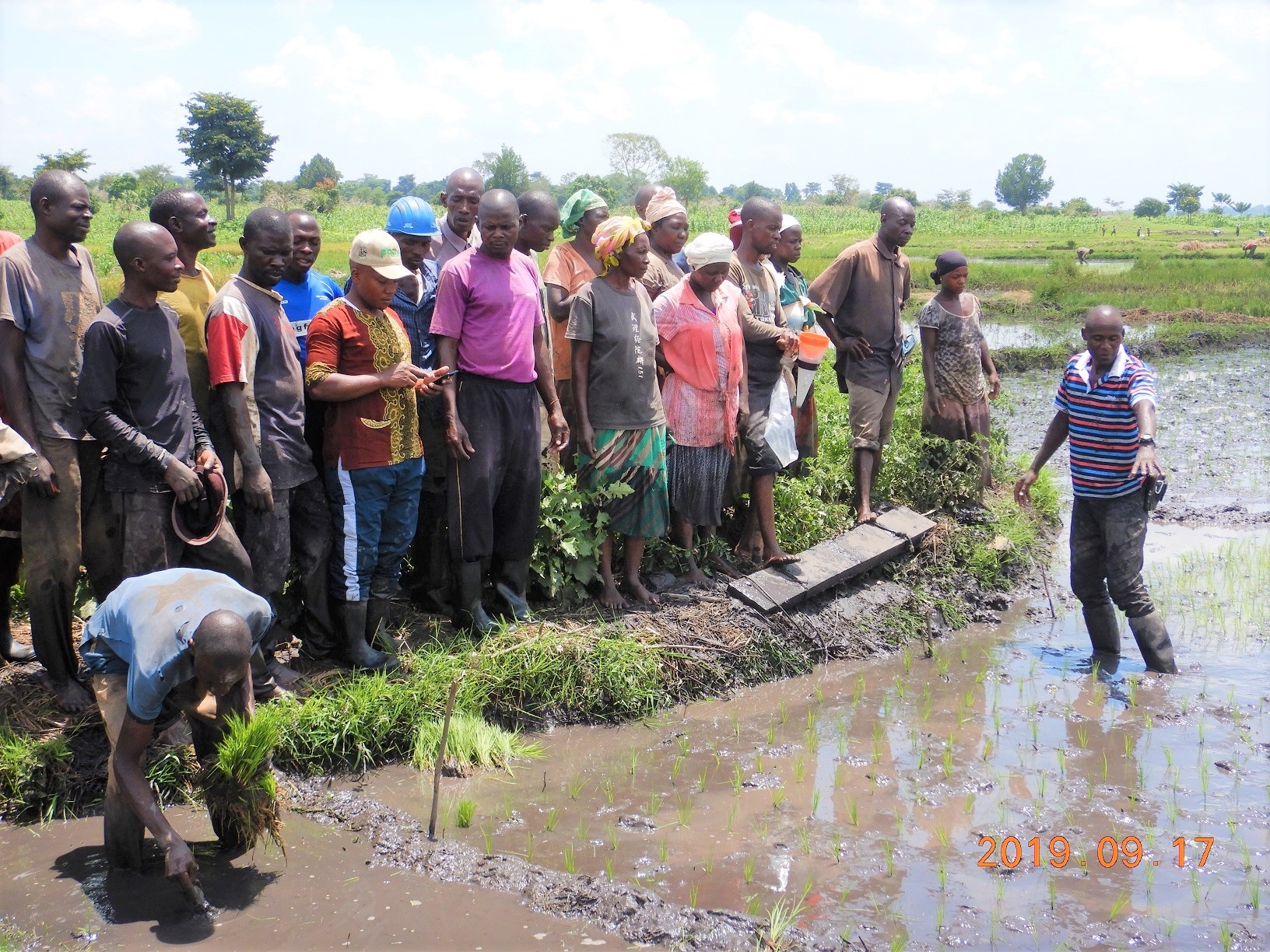
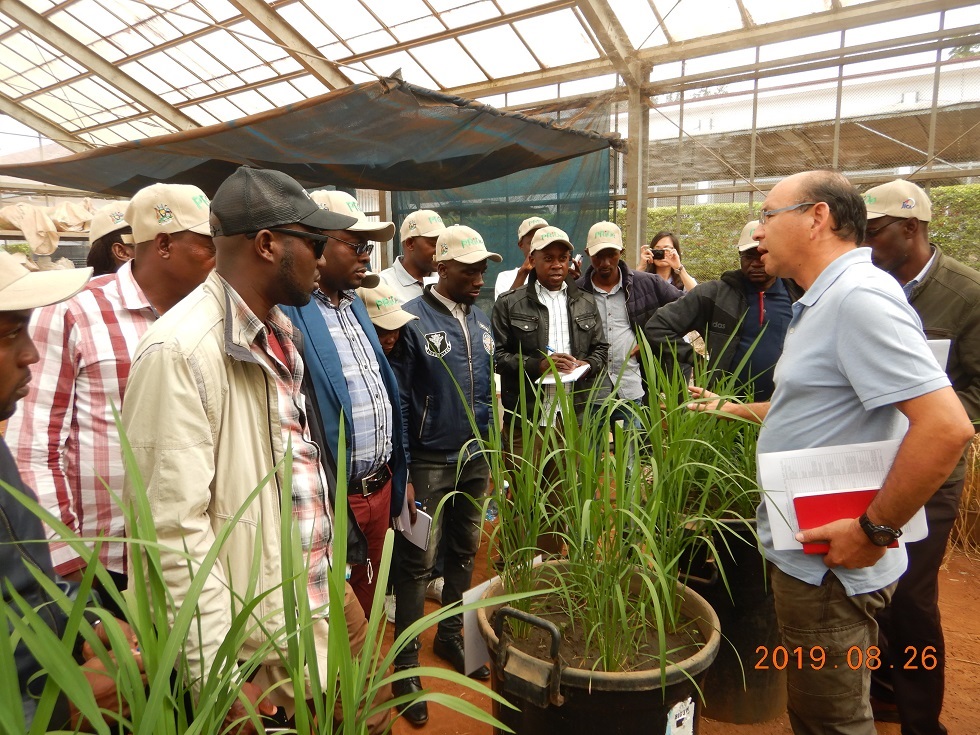
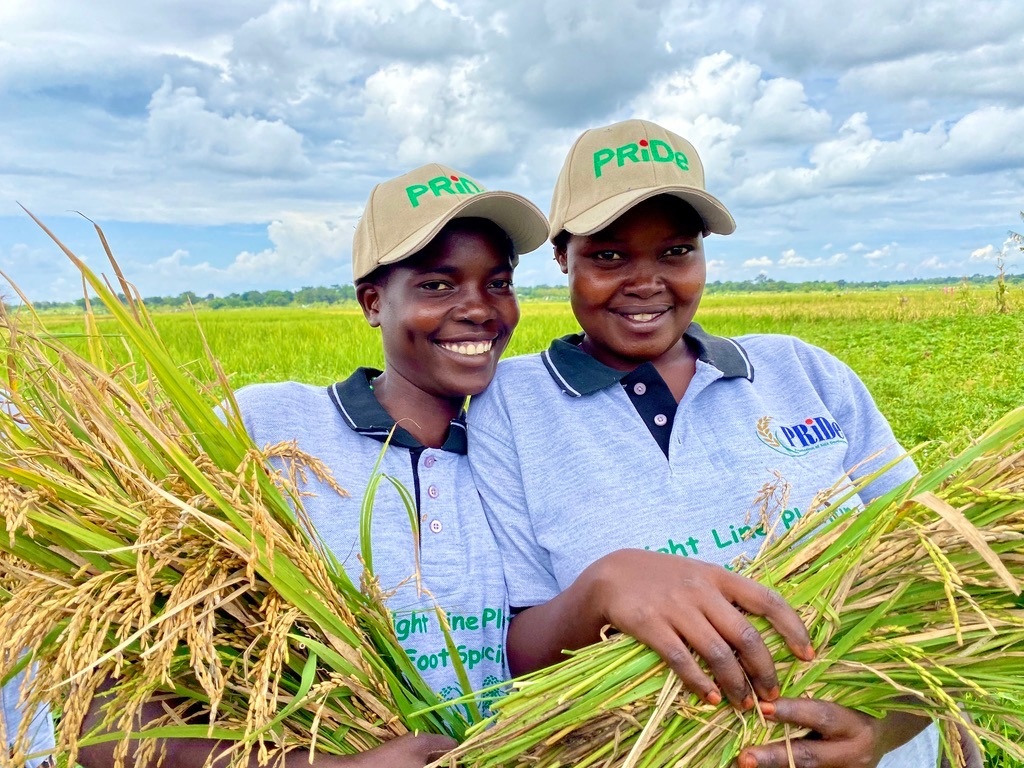
The Uganda Multi-sectoral Food Security and Nutrition Project (UMFSNP) is implemented, over a period of five years, by the Government of Uganda (GoU) through the Ministry of Agriculture, Animal Industry, and Fisheries (MAAIF) working in a multi-sectoral collaboration with the Ministry of Health (MoH) and the Ministry of Education, Science Technology and Sports (MoESTS)
This project helps to support vulnerable communities in Western Uganda to better adapt to the effects of climate change (CC) through banana value addition activities, to provide greater opportunities for income generation, poverty reduction and food security
The Government of the Republic of Uganda and the Government of the People’s Republic of China have had a cordial relationship for a long time. China has made significant contributions to Uganda’s Agricultural sector development including provision of project aid to Uganda in form of interest-free loans and grants. Notable ones include the Kibimba and Doho rice schemes, Wakawaka Fish landing site, Kajjansi Aquaculture Training Centre, Hydropower Stations and Road Construction. Trade has included leather, coffee, fish and food products among others.
The Ministry of Agriculture, Animal Industry and Fisheries (MAAIF), with support from the World Bank is implementing the Agriculture Cluster Development Project (ACDP). The project arose from the need to implement the Ministry’s comprehensive plan to operationalize the Agriculture Sector Development Strategy and Investment Plan 2011/12 – 2014/15 (now Agriculture Sector Strategic Plan 2015/16 – 2019/20) and in line with the Uganda National Development Plan.
Uganda imports 60-70% of its edible and soap needs; Population growth and rising incomes continue to fuel an annual growth rate of 9% in domestic and regional demand for vegetable oil and its by-products. VODP 2 is Uganda’s strategic effort and increase domestic vegetable oil production, address rural poverty by involving smallholder farmers in oil crops production and improve the health of the population through increased vegetable oil intake.
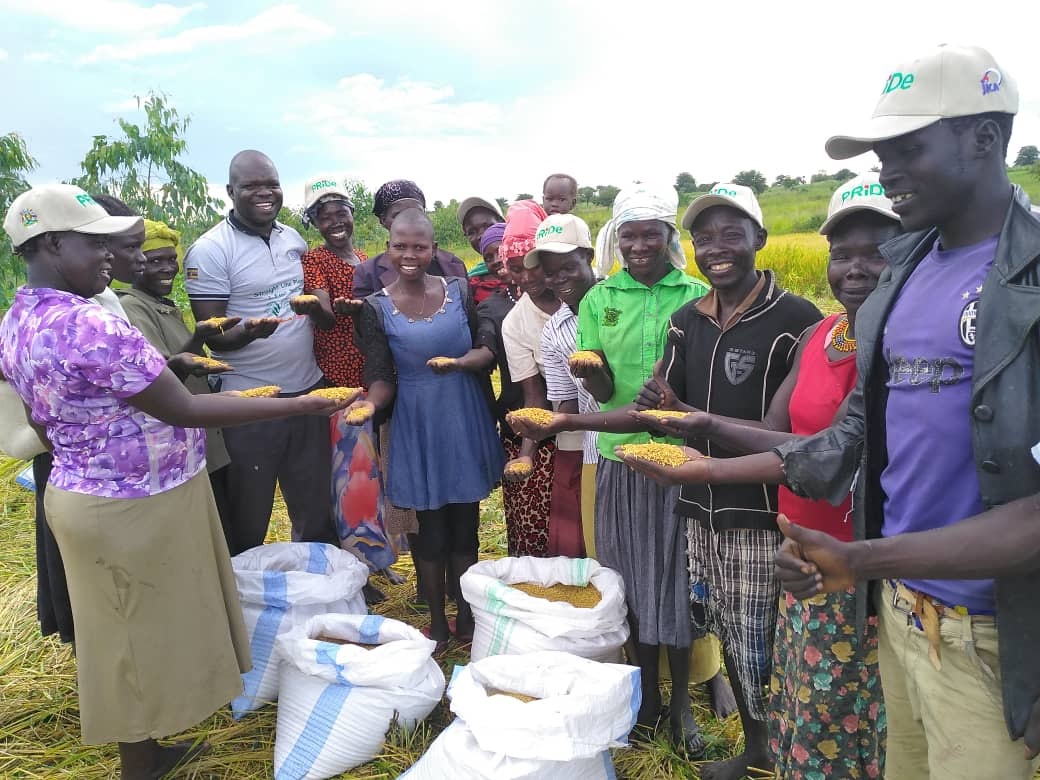
The project is expected to increase production and productivity, mainly of small holder rice farmers, by focusing on those factors that currently limit production which include;
In 2010, the ATAAS project was developed as an investment in maintaining and raising the level of farmer productivity and household income through the development and adoption of modern farming technologies, techniques and strengthening market linkages. The project had key activities along the research-extension-farmer-market value chain continuum under five components: (1) Developing Agricultural Technologies and Strengthening the National Agricultural Research System (NARS); (2) Enhancing Partnerships between Agricultural Research, Advisory Services and other Stakeholders; (3) Strengthening the National Agricultural Advisory Services (NAADS); (4) Supporting Agribusiness Services and Market Linkages; and (5) Program Management and Coordination.
The Ministry of Agriculture, Animal Industry, and Fisheries (MAAIF) and Japan International Cooperation Agency (JICA) agreed to execute a study for Irrigation Scheme Development referred to as The Project on Irrigation Scheme Development in Central and Eastern Uganda (PISD) through technical cooperation.
The focus was on establishment of medium and large scale irrigation scheme in Uganda targeting farmers cultivating mainly rice in lowland areas with season flooding and unreliable agricultural water source(s). The Study has was entrusted by JICA to the JICA Study Team consists of a consultant from Japan in collaboration with counterpart staffs from MAAIF and MWE. A total of 10 candidate sites districts were studied for irrigation development potential in the districts of Butambala, Buikwe, Kween, Sironko, Bukedea, Bulambuli, Mbale, Butaleja, Budaka and Soroti..
The Regional Pastoral Livelihoods Resilience Project (RPLRP) is a regional project financed by a USD 40 Million loan got by GOU from the World Bank and implemented by three IGAD member states: Uganda, Kenya and Ethiopia.
The RPLRP was prepared within the framework of the IGAD Drought Disaster Resilience and Sustainability Initiative (IDDRSI) and aligned with the Regional Programming Paper (RPP) and Country Programming Paper (CPPs).
Uganda Vision 20140 is a key strategy document for the government of Uganda (GOU) and aims to make Uganda a middle-income country by 2040. The National Development Plan II (NDP2) mentions the development of the livestock sector as one of these strategies, and in particular Uganda’s ability to produce some of the best beef in Africa.
Project Objectives
“To enhance the contribution of the goat industry to farmers’ income and welfare.”
Specific objectives
Avail improved indigenous and exotic (Savannah) goat germplasm to farmers in the project area which will serve as a springboard for establishing a pilot goat export zone in the country
To establish open nucleus breeding herds coupled with systematic cross breeding programme for generating meat goat types for fattening and
Improve the goat management systems and create sustainable supplies of quality goats for internal and export markets.